

Understanding the Impact of UK Horse Racing Not On Events

The Unique Challenges and Opportunities When UK Horse Racing is Not On
Horse racing is often referred to as the sport of kings, and its significance in UK culture is profound. However, there are times when UK horse racing events are not on, and this raises several questions about the sport’s impact on the economy, betting culture, and fans. During these periods, enthusiasts often turn to UK Horse Racing Not on GamStop horse racing betting sites and other alternatives to quench their thirst for competition and excitement. This article explores the wide-ranging effects of sporadic racing in the UK and how various stakeholders adapt to this landscape.
The Economic Impact of Racing Events
UK horse racing contributes significantly to the economy. It is not just about the races themselves; the industry supports thousands of jobs and generates millions in revenue from spectators, betting, sponsorships, and media rights. When racing is not on, the direct financial implications can be severe. Bookmakers may see a substantial decrease in turnover, and local businesses reliant on race-day traffic face downturns in customer flows.
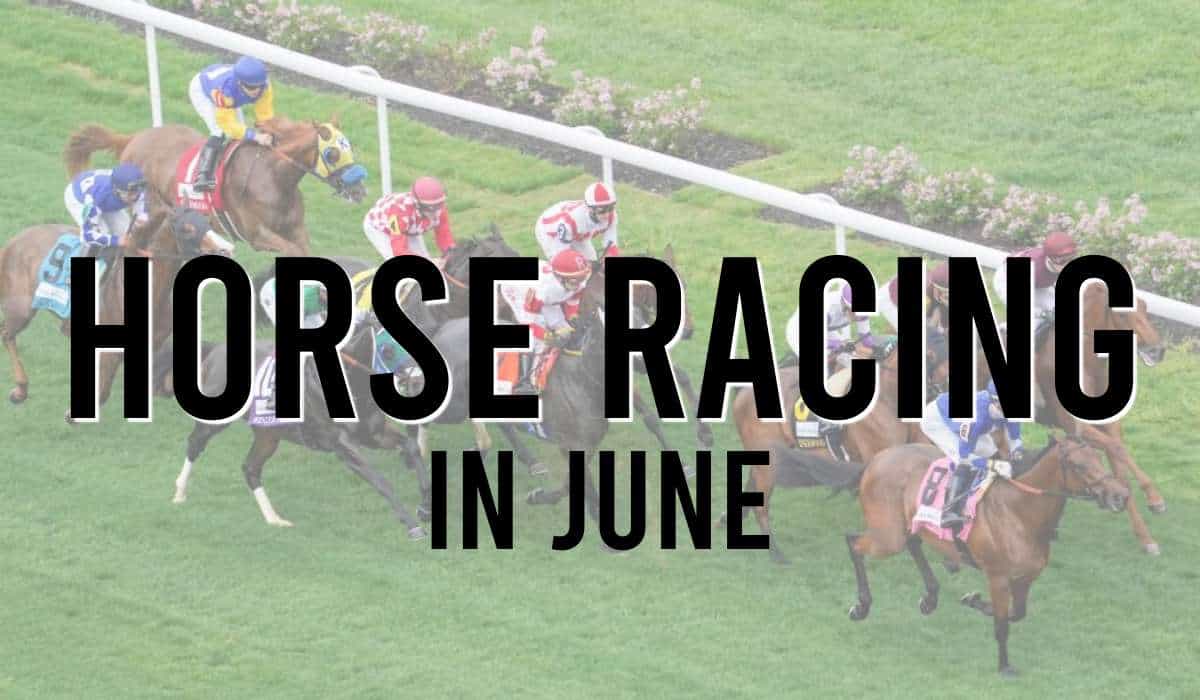
Moreover, the racing industry supports a broader ecosystem, including veterinary services, feed suppliers, and training facilities. A halt in racing events can ripple through these interconnected businesses, causing layoffs and economic strain. Organizers and governing bodies face the critical task of balancing safety concerns or regulatory issues that prevent races while mitigating the negative impacts on the economy.
Betting Culture during Racing Downtime
For many fans, horse racing is synonymous with betting. The thrill of wagering on a favorite horse is a novelty that attracts millions. When live racing is not available, many enthusiasts resort to online platforms and horse racing betting sites to place their bets on simulated races or international events. This shift can generate some revenue, yet it doesn’t entirely compensate for the lack of live betting opportunities on home turf.
During these off-peak times, various betting companies adapt their offerings, introducing new markets, promotions, or betting on other sports. They leverage digital technology to create virtual simulations of horse races, allowing punters to experience the excitement even when actual events are not happening. However, this leads to a more passive form of engagement, as it lacks the thrill and community aspect of attending a live race.
The Emotional Landscape for Fans
For many, horse racing is more than just an event; it’s a celebrated tradition that brings people together. Race days are packed with excitement, social interactions, and memories. When racing is not taking place, fans feel a tangible void in their leisure activities. The camaraderie found in sharing a day at the races is irreplaceable, and the challenge lies in exploring other forms of entertainment that don’t quite match that shared experience.
Online forums and social media platforms see heightened activity during these times, as fans connect with each other to discuss potential future events, share betting tips, or engage in friendly banter. The community may also explore related sports, such as flat racing from other countries, greyhound racing, or even participate in fantasy leagues to keep the competitive spirit alive.

Alternatives to Horse Racing
When UK horse racing is not on, there are numerous alternatives available for fans and bettors alike. Many turn to other sports such as football, tennis, and rugby, where betting markets are just as vibrant. Additionally, various racing formats, including harness racing or dog racing, can provide similar thrills without relying solely on horse events.
Moreover, virtual sports have gained significant popularity. These computer-generated events offer a chance for fans to place bets on simulated competitions, providing the familiarity of racing dynamics and outcomes. While these alternatives cannot fully replicate the real-life thrill of a day at the races, they do serve to sustain the betting culture and enthusiasm during downtime.
The Role of Technology in Keeping the Spirit Alive
The advent of technology has transformed how fans experience horse racing. When live events are not on, fans can catch up on media coverage, engage with podcasts, and watch recorded races online. This content allows audiences to stay connected and informed about upcoming races, trainers, and horses.
Furthermore, augmented reality (AR) and virtual reality (VR) technologies are beginning to be adopted by some companies, offering fans an immersive racing experience. Users can participate in virtual race days, interact with live events, or even experience behind-the-scenes content that brings them closer to the sport.
Conclusion
While the times when UK horse racing is not on can pose challenges across various sectors, the resilience of the community and industry allows for adaptation and innovation. From betting alternatives to the emotional connections fostered through online communities, the passion for horse racing remains steadfast. With technology continually evolving and alternative entertainment options available, horse racing aficionados can prepare for the return of their beloved sport while still finding ways to engage and enjoy the culture they cherish.
